
Growing food, healing together
Gardening & some collective implications of going slow

The “slow living” movement is said to have started in Italy in the 1980s.
A group of people protested a developer’s plans to put a McDonald’s in their town. They didn’t want fast food to become the norm; instead, they wanted to prioritize slow food.
Slow food is grown by gardeners and farmers. It’s minimally processed. Slow food is arguably more nutritious and better for our bodies. Slow food is cultivated in healthy, reciprocal relationships with the people who grow it and with the land.
To be committed to slow food is a political act because it informs how we spend our money and how we build community, i.e. the polis1 in which we live. Slow food calls us into a different pace of life because it requires time to buy food locally, to build connections with nearby farmers and growers, and then of course to actually prepare the food. Prioritizing slow food is a departure from cultural norms of urgency and convenience. If we let it, changing how we source and relate to food can be an incredible on-ramp to building community and leading a slower, more contemplative life.
Healing together by tending the land
My interest in gardening was first sparked while I was in college. I started noticing all of these little veggie gardens springing up around campus. Wherever there was a little plot of sunlight, it was as though some community group or campus club arranged to plant a few tomatoes and herbs there. These are so beautiful, I thought. What a great use of space. Eventually I had the chance to visit a community farm that employed refugee women from Burundi. It was amazing to see how growing food and selling produce laid a foundation for these folks who to rebuild their lives. I was then fortunate enough to travel to Uganda and Rwanda, where I learned how war and violence led to a debilitating disconnection from the land. Creating opportunities to return to the land as farmers and growers was a priority for these East African leaders. They knew that getting back to the soil was a vital pathway to healing and restoration.
Growing food, not only as an individual, but as a collective, invites us to repair the fractures and disconnections we feel from ourselves, from the land and from one another. There’s something tremendously soul-filling about getting our hands in the clay, planting seeds, harvesting our nourishment and lovingly preparing meals for ourselves and the folks we love. We heal as we grow food together.
Slow living for the collective
I’ve been thinking a lot about the connection between slow living and our shared modern life. I’ve been wondering what it might look like to call us into a slower pace for the sake of the collective and not just for the sake of our individual lives. There’s a glimmer, I think, of what slow living offers us collectively in the story of that Italian town’s choice to say no to fast food. I also think there are glimmers in the community farm managed by the women from Burundi and in the return-to-the-land efforts of the East African leaders I got to know.
It’s not about the farming and food alone, you see. It’s about the culture of slowness and place-based stewardship that facilitates neighborliness, interdependence and a concentration of financial and relational wealth within a community instead of exporting it to corporations thousands of miles away. It’s about focus and localized care and concern. As we turn our attention to the land under our feet and to the people who are within our arms reach, we experience empowerment. Our presence and impact are felt. In these moments, our human spirits are reminded that our presence and efforts matter. Slowing down, tending to the earth, and advocating for institutions that uplift cultures of localized care are tiny steps we can take to create a more beautiful way in the world.

Planning for the growing season
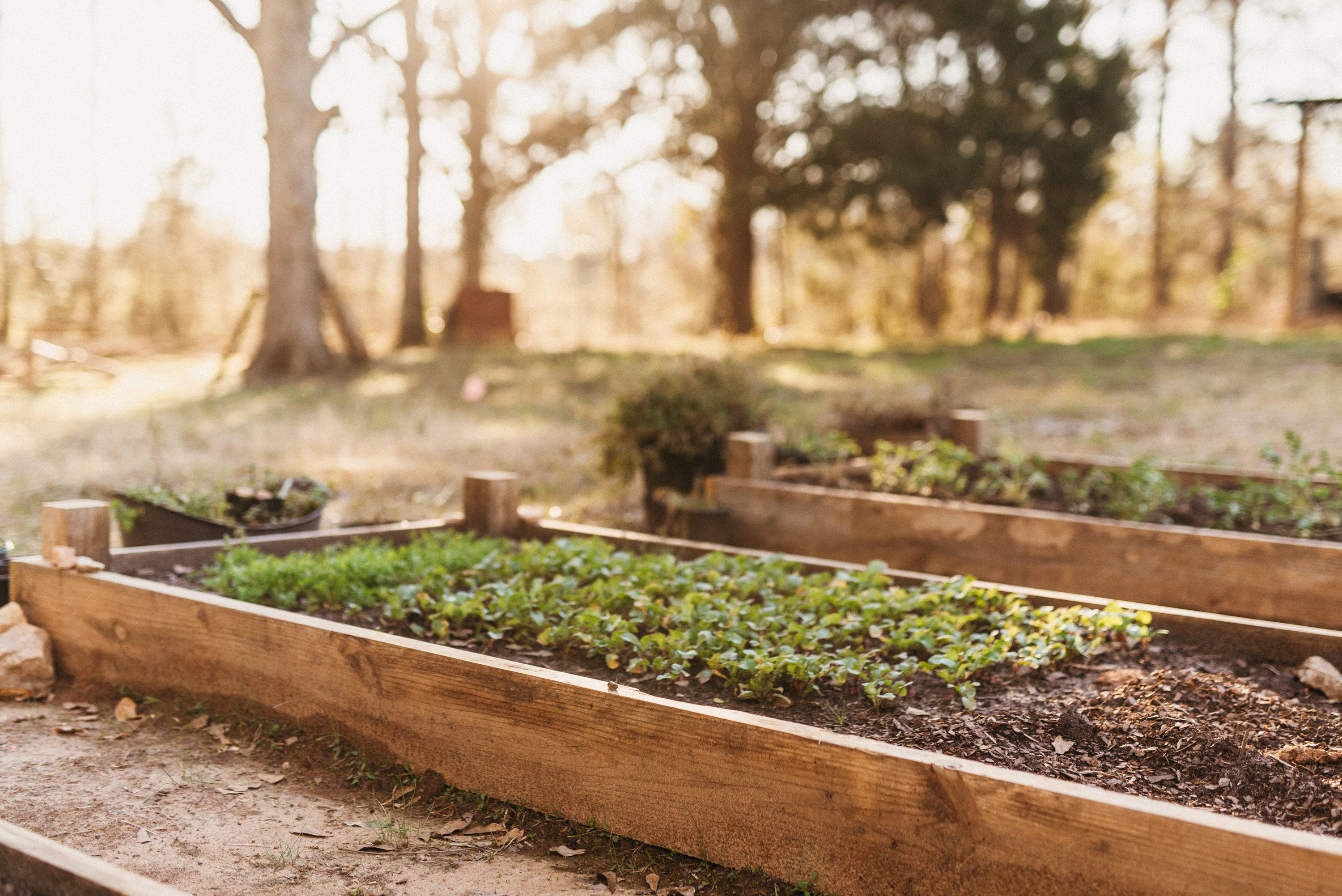
Here at Cedar Wilde, our little acre in Middle Georgia, we’ve started making plans for our spring garden. Last year, my husband took the lead on our food growing efforts; this year I’m hoping to be more hands on in the process. As an ideas and words-oriented person, I often settle for contemplating garden metaphors instead of doing the hard work it takes to actually garden. One of my intentions is to reorient myself in this regard, prioritizing the diligent, daily attention of growing slow food at home.
Yes, I’m hoping this forms my inner life in meaningful ways. I’m hoping to feel more connected to the natural world; I’m hoping to experience more of the patient work of God in my life. But I also hope, in some small way, to be a participant in the cultural preservation efforts of the small Italian town that birthed a movement through their dedication to slowly tending the earth. I hope to be a co-weaver of possibility alongside the refugee women creating sanctuary by sowing seeds and feeding their community. I hope to know something of the resilience of East African village leaders finding their way towards futures of wholeness by picking up their garden hoes and beginning to dig again. I’m hoping to be reminded of the flourishing that finds us when we tend to one place well, and when we do this good work together.
How might slow living support your efforts to nurture community this year?
What invitations do you see for collective repair and mutual flourishing through the processes of gardening and growing food?
What might it look like to participate in your local food system this calendar year?
I’d love to hear your thoughts in the comments below.
Until next week,
Bethaney
In The Garden
Here’s what’s in store this week in The Garden Contemplative Community:
Spiritual Care Workshop: Embodying the Cycles of the Year
Date: Saturday, January 13th
Time: 11:00 AM - 1:00 PM EST
In this workshop, you will learn how to organize your time around the cycles and seasons of the year. We’ll explore the themes of the four seasons and of the moon cycles. We’ll contemplate our own relationships to time. We’ll hold space for the rhythms and cycles of our bodies. And we’ll map out the year with these earth-based, body-based rhythms in mind. This session is perfect for people who feel like their current way of viewing time is too linear, too rigid and out-of-touch with the deeper rhythms they know are possible. It’s also for folks who’ve been leaning into practices of seasonal living and want to give a little more thought and intention to what this practice means in 2024. You’ll need to bring your journal and your calendar to this workshop.
Every Friday - Lectio Divina with the Gospel of John
Day & Time: Fridays at 10 AM EST
Lectio Divina, or divine reading, is a contemplative practice in which we sit attentively with the words of Scripture or of another sacred, creative text. Learn more here.
In The Loop
/ Website
/ Community
/ Instagram
/ Podcast
/ Archive
Polis is greek for “city-state” and also refers to a collection of citizens who create a unit or community