
The gift of tradition
Rest and formation—slowly & over time

Welcome to today’s post on A More Beautiful Way, a newsletter curated by me, Bethaney Wilkinson. This publication is all about slow living, spiritual formation and about what it means to cultivate rootedness in modern times.
I recently migrated my email list to Substack, so if you’re new here, welcome. I hope you find yourself breathing more deeply as you engage the writing, stories and community connections available here.
Also, quick note: read to the end for invitations to upcoming events & offerings.
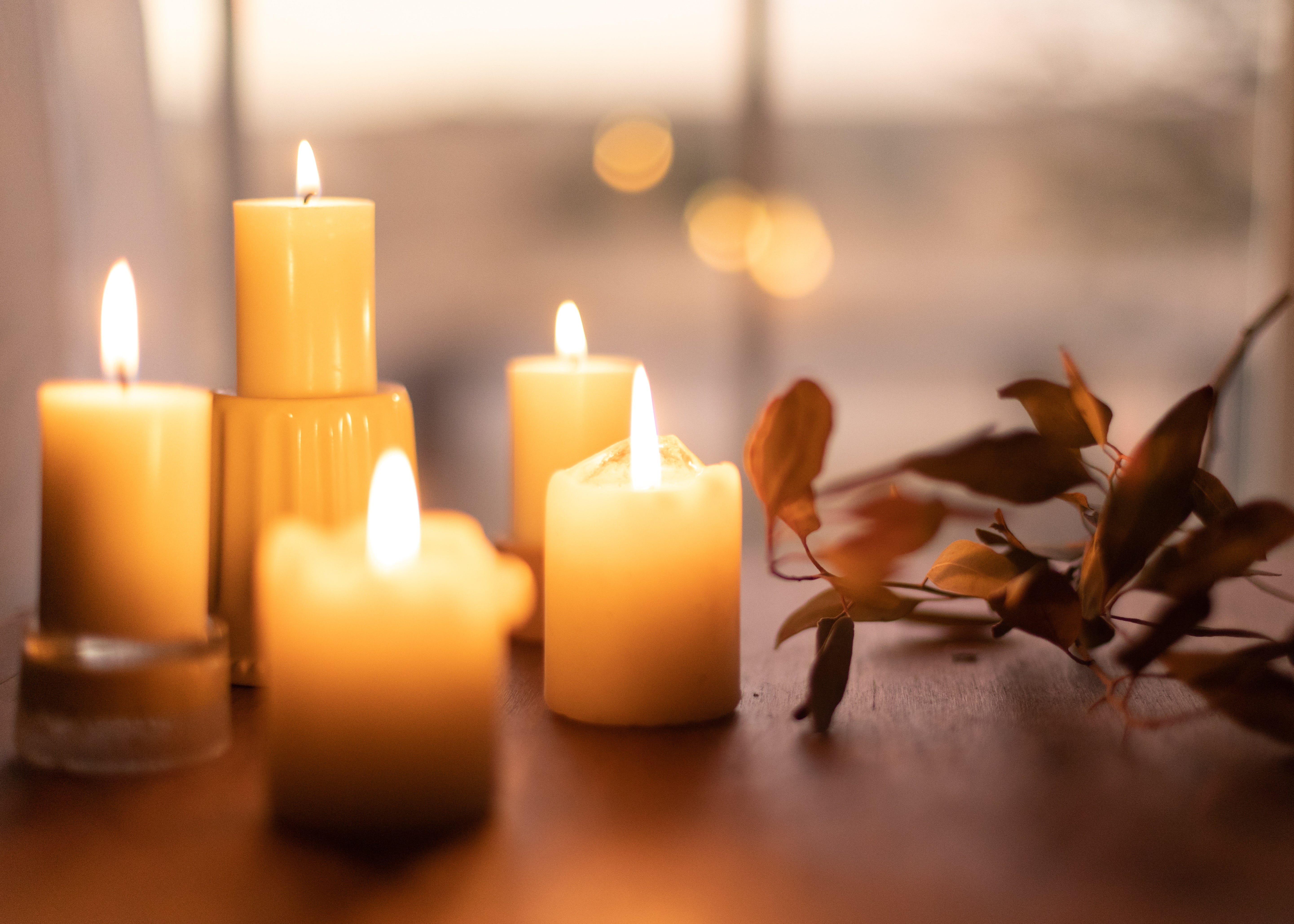
The service is called a “moleben for peace.”
Moleben, I learned, means “a prayer service of intercession or supplication,” i.e. the earnest prayers we offer on behalf of something or someone other than ourselves. I’d never heard of this type of church service before, but there I was with tears streaming down my face as the priest chanted the Beatitudes1 over us:
Blessed are the poor in spirit, for theirs is the kingdom of heaven.
Blessed are those who mourn, for they will be comforted.
Blessed are the meek, for they will inherit the earth.
Blessed are those who hunger and thirst for righteousness, for they will be filled.
Blessed are the merciful, for they will be shown mercy.
Blessed are the pure in heart, for they will see God.
Blessed are the peacemakers, for they will be called children of God…2
My heart had been aching over the conflict and devastation in Gaza. I was also feeling unmoored by the ongoing cultural polarization which has become so normal for us: our seeming inability to hold multiple truths at once. Our tendency to police one another’s compassion. Our inclination to claim a moral high ground, as if one life or one body or one place matters more than any other life, body or place.
I was overwhelmed by these realities in the world and as well as within my own heart. I, too, struggle to hold more than one truth at a time. I struggle to distinguish my opinion from fact. I wrestle with my desire to lean into the myth of safety found in sameness. I want to both control the world and abdicate any responsibility for my neighbor. It’s a strange, and at times tumultuous, series of frustrations.
With all of this in heart and mind, I made my way to this moleben service at a local parish. While I didn’t know what to expect, I thought it better to join a faithful community in praying for the world than to sit at home and doom scroll. As the candles were lit and the songs were sung, I felt myself surrender in gratitude to the ancient rhythms of this tradition. In age of performative hot takes and rootless social media activism, it moved me deeply to sit in a holy place, surrounded by a cloud of witnesses, and to let this tradition’s wisdom nourish the roots of our shared longing for peace and healing in the world.
Tradition often gets a bad rap.
It can feel stuffy and old. It can be disconnected and said to be lacking in creativity. Over time, tradition can feel empty and void of meaning, especially if those entrusted with passing on that tradition lose sight of its substance. For these reasons and more, it’s easy to dismiss tradition and to instead praise freshness and innovation. We love the novelty, the sparkle and shine of a new way to do anything and everything. Of course, we need not choose between tradition and innovation; life can hold both. But I’ve been thinking a great deal about how tradition can meet us with the grace of structure and ritual, especially in times of upheaval and disorientation.
The word tradition comes from Latin roots meaning “across” and “to give,” which combined means “to transmit, to hand over, and to give across for safekeeping.” Tradition is one way we pass on who we are, our stories, our values and what we love.
Tradition has a way of forming us, slowly and over time. I liken it to a river, in which we, like stones, are gently smoothed, shaped and refined by flowing waters. It’s the work of joining in to something instead of creating it on one’s own. It’s the work of participation in a legacy that precedes us and will continue long after we’re gone.
As I’ve been moving on the margins of a new church community, holding this tension between tradition and innovation, I find myself thinking more deeply about the gift it is to be a participant instead of a creator-leader. I’ve been thinking about the rest one can experience in submission to a form, even an imperfect one. I’ve been thinking about the relief one might find in stepping into ancient waters and letting them shape our lives.
Yes, submission and rest require a degree of trust. Yes, they may even require a degree of compromise. But I wonder—given the prevalence of loneliness, anxiety, disconnection, and fear many of us are carrying—what if holy traditions of liturgical community and seasonal living offer just enough structure to grant rest to our minds, bodies and souls?

This time of year is full of traditions.
In the Orthodox Christian Church, the Nativity Fast began on November 15th. In the Protestant Christian calendar, Advent began on December 3rd. Hanukkah, for our Jewish kin, begins on December 7th. The Winter Solstice, for those in various earth-honoring traditions, comes to us on December 21st. I think also of the coming Kwanzaa celebrations in African-American communities, which begin on December 26th. This time of year is full of traditions, moments of pause, marking time and welcoming hope.
As we continue to lament and pray for peace around the world, these holy traditions, in my view, are more important than ever. We need streams of rest and care, pointing our hearts and lives towards hope. We need reminders to slow down enough to savor wonder, mystery and possibility. And these reminders need not be created and sustained by us alone. This is the gift of sacred time, sacred space and communities of faith.
There is so much I have to say on this topic, as I feel that I’ve just started scratching the surface on the role tradition might play in alleviating much of the angst and rootlessness many of us feel. But for now, I’d love to hear from you:
What seasonal traditions keep you grounded during this time of year?
What traditions create space for rest and connection in your life?
What is your relationship to tradition, generally? I’d love to know.
Bethaney
Upcoming Events & Offerings
Wins, Wounds & Wonder - 12/28 at 7:00 PM EST
I’m hosting my final contemplative event of the year, titled Wins, Wounds & Wonder. This is an opportunity to reflect on the entirety of 2023. This is for people who want to not only process what they experienced in 2023, but who want to set intentions & goals for 2024 from a place of prayerful awareness of how the Divine has been at work in their lives.
1:1 Spiritual Direction - Ongoing
I’m officially offering 1:1 spiritual direction, care and companionship for folks who are seeking a safe and supportive place to process the contours of their faith, spirituality and religious life. Spiritual direction is a confidential, 1:1 experience where I hold prayerful space for your story. We slow down, we listen deeply, and we notice together how the holy is unfolding within you and your community. You can learn more here, as well as book your first session for free.
In the Loop
/ Website
/ Instagram
/ Podcast
/ Archive
The Beatitudes are a series of Jesus Christ’s teachings which begin with a collection of blessings, as captured by their author and scribe, Matthew.
Matthew 5:3-9