
On welcoming America 250
Shadows, light, and the stories of a nation's becoming

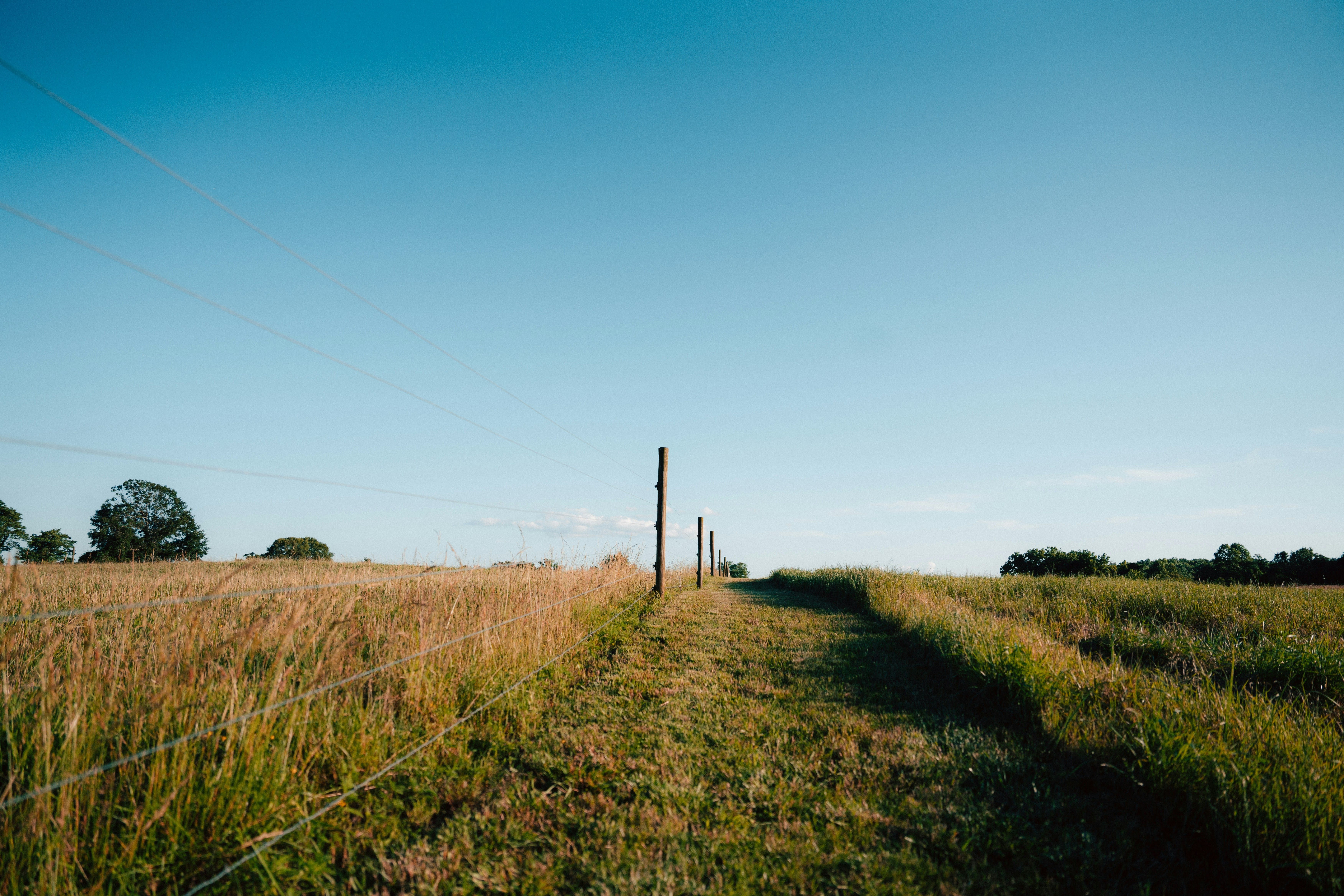
I sat on the porch steps and looked out over the landscape in front of me.
Even though it was September, the air was still thick with the humid remnants of a Southern summer. The sun was high in the sky, and hills of forest and pasture spanned as far as my eyes could see.
I knew I was in a storied place, somewhere special.
My team and I had arrived in Eutaw, Alabama, a small town boasting a booming population of just over 2500 people. We were there to capture one of the most inspiring stories of Black land stewardship I’d ever heard. This place we found ourselves, lovingly known as Smith Family Estates, had been hard won and fought for over the course of generations.
Mr. Hodges Smith, a forester and one of the co-stewards of this 355-acre estate, gave us a guided tour of the land. He showed us the ponds and pine tree farms. He took us to the edges where they plan to build cottages for their children and grand-children to visit. He showed us where they once kept hogs and the places they let their neighbors hunt and fish. He pointed to where his oldest siblings and grand-parents had once been born on the land. He graciously took us to the cemetery, where they’ve laid their ancestors to rest.
What was so striking about this farm was not only the natural beauty and the loving intention with which it’s been cared for over nearly two centuries, but the story of how the farm came to be in the Smith family’s care.
As it turns out, Mr. Hodges’ great-great grandfather, Abram Murphy, had once been enslaved on this exact land. He worked the land for his enslaver by day, and worked for himself as a gardener and darner by night, often paying another enslaved person to hold his lantern for him so that he had enough light to get his extra jobs done. Over time, with changing laws and shifts in the family life of those who enslaved him, Abram gained the opportunity to purchase the land himself. Through a winding and powerful journey—one of creativity, resilience, and hard work—Abram’s descendants fought to keep the land, to invest in it, and to ensure Abram’s legacy of land stewardship and self-determination continued for generations to come.
American Stories
When I first heard this story, long before we decided to gather a film crew to capture it, I remember thinking to myself, Wow, this is such an American story. If you get the chance to watch the documentary (linked here), I hope you’ll get a glimpse of what I mean.
This story resonated for me as an American story because it features so many elements that capture what I understand to be the essence of American life. It embodies our nation’s shameful and sorted history of enslavement and exploitation. It highlights the complicated relationships that sometimes existed between enslavers and those they held in bondage. It holds layer of racial discrimination and harm. It gives voice to the complex financial and legal arrangements related to sharecropping, land ownership, and succession planning. It’s a story about families navigating death and irresponsibility. It underscores one man’s unbelievable work ethic, self-respect, and dedication to carving out a path for himself against all odds. And this story amplifies the legacy of Black folks, who in the face of enslavement, racism, and financial exploitation have worked together to build a life that will carry their children into the future.
We live in a time where many stories of this place we call America are dripping with fear and disdain. I get that. People are angry, disappointed, uncertain, and generally disconnected from the mood of patriotism and celebration. People are navigating profound losses, concerns, and unreconciled histories, which are not to be dismissed or invalidated.
On the surface, it’s easy to read or hear a story like Abram’s and think, “Well, slavery should have never been a part of America’s story in the first place.” And yes, that’s true. But I’ve learned over the years there’s not a corner on the planet that hasn’t been ravished by the harshness of slavery, war, genocide, or some shade of oppression. This isn’t to excuse those harms or to minimize their effects. This isn’t to say we ought not to resist those things. It’s to acknowledge, rather, that such brokenness is a persistent aspect of the human experience. This idealized vision of a “clean slate” of a nation, one where we never have to wrestle with loss or injustice or pain, doesn’t exist. If perfection is the standard by which we choose to celebrate something, then nothing and no one and nowhere is worthy.
What I love about the story of the Smith Family is that it reminds me that even in the face of cruelty, harshness, and dispossession, America is full of people, like me and you, who are living and working and building stories of love, resilience, meaning and beauty. America, like each of us, is more than our darkest days and the most shameful parts of our history. America, like every place, is still becoming. We have a past to contend with and a future worth fighting for. And on this 250th anniversary, I feel grateful to live in a place where we have the opportunity to give our best effort to ensure that our tomorrows are brighter than our yesterdays.1
On Singing America
I’m one-tenth of a very vibrant family WhatsApp thread, where my parents, siblings, and oldest nephew are able to keep up with one another, share about our days, talk about politics, and linger a bit with what’s alive for each of us even as we live miles apart.
This past week, we were messaging about this upcoming Fourth of July and one of my siblings expressed their lack of enthusiasm about our impending celebration. In response, I took some time to craft what America’s 250th birthday is meaning to me, and I thought I’d share with you what I wrote for them:
I’m excited to celebrate our 250th anniversary as a nation. I will be reading the Declaration of Independence and listening to the Hamilton soundtrack throughout the week. I’ve never cared much for Fourth of July in the past, but something about the challenges our country is growing through has inspired me to remember that we are America. That much like Langston Hughes wrote during the Harlem Renaissance, “I, too, sing America.2” This nation belongs to all of us. Not just to foolish leaders. I personally think its important to remember the ideals our democracy represents and strives for, even as we fall woefully short of them. America is far from perfect but it is ours, and it’s future, at least in some small part, is up to us.
I don’t know how you’re welcoming this milestone in America’s history. Whether it be with disappointment and disdain, or eagerness and anticipation, I pray you find a moment to pause and consider what living life on these lands has meant for you. I pray you find an opening to honor both the shadow and the light of how your story, and our collective story, have unfolded here. I pray you have the grit and resilience to be honest, not only about all that’s gone wrong, but about all that’s gone right. And I pray you, like Abram Murphy, have the vision and tenacity to labor, even if by lantern light, towards the flourishing, sustenance, and joy of your children’s children.
Be safe out there, beloveds, and take care.
Until next time,
Bethaney

For your reading pleasure, presenting: “I, Too” by Langston Hughes
I, too, sing America.
I am the darker brother.
They send me to eat in the kitchen
When company comes,
But I laugh,
And eat well,
And grow strong.
Tomorrow,
I'll be at the table
When company comes.
Nobody'll dare
Say to me
"Eat in the kitchen,"
Then.
Besides,
They'll see how beautiful I am
And be ashamed,—
I, too, am America.

I first heard a version of this said by organizer DeRay McKesson.
I, Too was penned in 1926 by poet Langston Hughes, who published the poem as part of his debut collection, The Weary Blues.